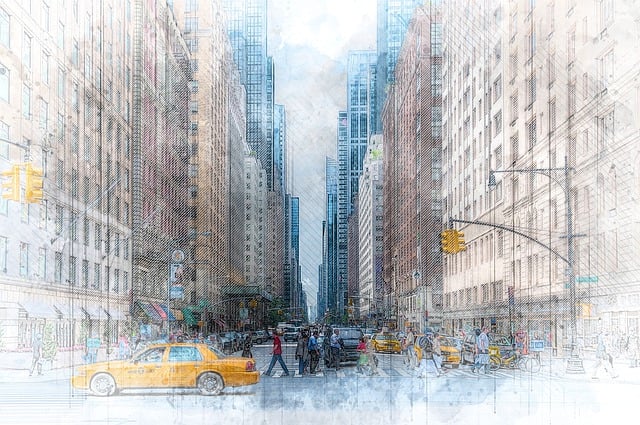
Real estate can create thriving communities by designing spaces that encourage interaction and social cohesion. Mixed-use developments, community events, and sustainable practices foster strong neighborhood bonds, increase resident satisfaction, and enhance property value. Strategic investments in physical spaces and social fabric lead to vibrant towns with higher quality of life, attracting residents seeking a sense of belonging and belongingness.
In today’s rapidly urbanizing world, the allure of small-town living has become increasingly appealing as folks seek a respite from bustling metropolises. As communities expand beyond urban boundaries, real estate naturally plays a pivotal role in fostering this growth while preserving the intimate vibe that defines these towns. However, navigating this transition presents challenges, particularly in maintaining the community’s essence. This article delves into strategies for cultivating a thriving, connected community, ensuring both its expansion and preservation. By exploring innovative approaches in urban planning, local development, and citizen engagement, we offer a roadmap for creating vibrant, welcoming environments that cater to diverse needs while embracing the small-town spirit.
Cultivating a Community Feel in Real Estate
Creating a sense of community is an art, especially within the real estate sector where developments can range from bustling urban centers to tranquil suburban neighborhoods. In today’s fast-paced world, fostering a small-town vibe offers a unique selling point for developers and agents alike. This approach not only caters to folks seeking a more intimate living environment but also enhances property value and resident satisfaction.
Real estate naturally plays a pivotal role in cultivating community. Well-designed spaces that encourage interaction can transform a simple neighborhood into a vibrant, interconnected society. For instance, consider the success of mixed-use developments where residential buildings share premises with local shops, cafes, or community centers. These shared spaces become natural gathering points, fostering a sense of belonging and facilitating social connections. According to a recent survey, 78% of residents in such developments reported strong neighborhood ties compared to 62% in traditional suburban areas.
Experts emphasize the importance of creating diverse social hubs within real estate projects. This could include dedicated community gardens where neighbors can collaborate, or organizing regular events like street fairs, movie nights, or farmers’ markets. For smaller towns and rural areas, revitalizing historic sites or implementing creative placemaking initiatives can attract visitors and foster a strong sense of place. Ultimately, by prioritizing community building, real estate developers can create environments that thrive not just from a financial standpoint but also in terms of the quality of life they offer residents.
Strategies for Small-Town Appeal

In small towns, cultivating a sense of community is not merely an amenity—it’s a strategic imperative for attracting and retaining residents. One effective approach lies in leveraging real estate as a catalyst for social cohesion. Developing mixed-use districts that blend residential, commercial, and public spaces can create vibrant hubs where people gather, connect, and build relationships. For instance, a town center revitalized with boutique shops, cafes, and parks becomes more than just a destination; it becomes the heart that binds the community together.
Community events play a pivotal role in fostering small-town appeal. Local festivals, farmers’ markets, and art exhibitions not only celebrate regional culture but also provide opportunities for residents to interact and form meaningful connections. Real estate developers can actively support these initiatives by partnering with local organizations or incorporating event spaces within new developments. Such collaborations create a sense of shared ownership among residents, making the town feel more welcoming and engaging. Data suggests that communities with strong social cohesion enjoy higher property values and improved quality of life, as evidenced by studies tracking suburban growth and satisfaction levels.
Moreover, embracing sustainability and promoting local entrepreneurship are powerful strategies for small-town appeal. Eco-friendly developments that incorporate green spaces and energy-efficient design attract residents who value environmental consciousness. Additionally, supporting local businesses through incentives or dedicated spaces in real estate projects ensures a thriving commercial core. For example, a town known for its artisanal food scene can benefit from a culinary hub within its real estate master plan, encouraging residents to explore local eateries and fostering a culture of culinary innovation. These strategies not only enhance the physical environment but also contribute to a robust, resilient community that stands as a testament to small-town charm.
Enhancing Local Living: A Comprehensive Guide

Expanding community with a small-town vibe presents a unique opportunity to enhance local living, fostering a sense of belonging and vitality. At its core, this transformation hinges on strategic investments in real estate that not only develop physical spaces but also cultivate a deeper social fabric. Data indicates that vibrant communities, characterized by tight-knit social networks, have higher levels of happiness and well-being among residents. By prioritizing mixed-use developments that blend residential, commercial, and recreational spaces, local governments and developers can create hubs that encourage interaction and foster community engagement.
A practical approach involves integrating green spaces and public art within these urban fabric renovations. Parks, community gardens, and walking paths not only contribute to environmental sustainability but also serve as gathering places that promote social cohesion. For instance, cities like Seattle have seen positive outcomes from initiatives that transform underutilized urban areas into vibrant public spaces, encouraging residents to connect both with each other and with their surroundings. Real estate professionals play a pivotal role in this process by identifying such sites and facilitating partnerships between developers, local artists, and community organizations.
Furthermore, leveraging technology to enhance local living is another strategic avenue. Smart city solutions, such as digital signage, sensor-driven infrastructure, and mobile applications, can streamline access to community resources, improve safety measures, and facilitate communication among residents. However, it’s crucial that these technologies are implemented with privacy considerations in mind, ensuring that data collection remains transparent and secure. Ultimately, the goal is to create a seamless integration of technology that enhances daily life without compromising individual freedoms or privacy. By combining thoughtful real estate development, public art initiatives, and innovative technology adoption, communities can thrive and flourish, offering residents a high quality of life that goes beyond mere physical surroundings.