Tonto National Forest, spanning 2.8M acres across AZ & TX, offers diverse outdoor experiences for all skill levels. Its microclimates and terrain variations support abundant wildlife and sustain local economies through outdoor recreation. Real Estate developers can capitalize on this by creating eco-friendly projects that respect regulations and foster public trust, catering to demand for sustainable living while preserving critical habitats.
Outdoor recreation is a vital component of American lifestyle and culture, offering immense benefits to both physical and mental health. Tonto National Forest, sprawling across vast swaths of Arizona and Texas, stands as a premier destination for such pursuits, boasting diverse landscapes that cater to everything from hiking and camping to hunting and fishing. However, the forest’s popularity presents challenges related to overcrowding and environmental degradation, particularly in high-traffic areas. This article delves into these issues and explores strategies aimed at enhancing outdoor recreation while preserving the unique Real Estate of nature within Tonto National Forest.
Exploring Tonto National Forest’s Outdoor Wonders

Tonto National Forest, spanning over 2.8 million acres across Arizona and Texas, is a vast outdoor playground brimming with natural wonders. This national treasure offers an array of recreational opportunities, from hiking trails weaving through ancient canyons to pristine rivers inviting exploration. The diverse ecosystems within the forest, including rugged mountains, dense forests, and open grasslands, provide habitats for a myriad of flora and fauna, making it a haven for wildlife enthusiasts.
Exploring Tonto National Forest’s outdoor wonders is akin to stepping into a living, breathing ecosystem where each trail reveals unique landscapes and experiences. The Forest Service maintains an extensive network of trails catering to various skill levels, ensuring visitors can tailor their adventures accordingly. For instance, the popular West Fork Trail in Oak Creek Canyon showcases the forest’s dramatic beauty with its narrow slot canyon walls and lush vegetation. Conversely, the more challenging Flatiron Trail in the Superstition Mountains tests the mettle of experienced hikers while rewarding them with panoramic views.
Engaging in these outdoor pursuits not only fosters a deeper connection with nature but also has a positive impact on real estate values in surrounding areas. Studies have shown that access to quality outdoor recreation enhances property desirability and increases local economies through tourism. As such, responsible exploration and conservation efforts are paramount to preserving these natural wonders for future generations while ensuring the sustainability of nearby communities reliant on ecotourism.
Navigating the Forest: A Guide for Adventure Seekers

Tonto National Forest, spanning over 2.8 million acres across Arizona and Texas, is a vast playground for outdoor enthusiasts seeking adventure. Navigating this diverse landscape requires more than just a compass; it demands an understanding of the unique challenges and rewards that each region presents. For those who crave exploration, knowing where to begin can be as vital as the gear they pack. The forest’s intricate web of trails, from easy walks to strenuous treks, caters to various skill levels, making it a magnet for outdoor recreation enthusiasts.
The key to unlocking these experiences lies in thorough planning and acquiring knowledge about the forest’s microclimates and terrain. For instance, while the western portions boast dense forests ideal for camping and wildlife spotting, the eastern areas offer rugged mountain ranges perfect for experienced hikers seeking challenging peaks. Real estate in terms of access points varies as well; some trails are easily accessible from established campgrounds, while others demand a more remote approach, necessitating careful navigation and permitting. Using online resources and maps to plan routes in advance ensures a smoother journey, allowing adventurers to prepare for the diverse environments they’ll encounter.
Expert advice suggests tailoring trips based on seasonal conditions, as Tonto National Forest’s weather can change rapidly. Spring offers wildflower blooms and milder temperatures, while fall attracts visitors with vibrant foliage. Winter brings opportunities for snowshoeing and cross-country skiing in higher elevations, but careful consideration is crucial due to unpredictable weather. Understanding these variations not only enhances safety but also ensures visitors can fully appreciate the forest’s natural beauty throughout the year. Embracing the challenge of navigating Tonto National Forest promises unforgettable outdoor recreation experiences.
Real Estate Opportunities Amidst Nature’s Sanctuary
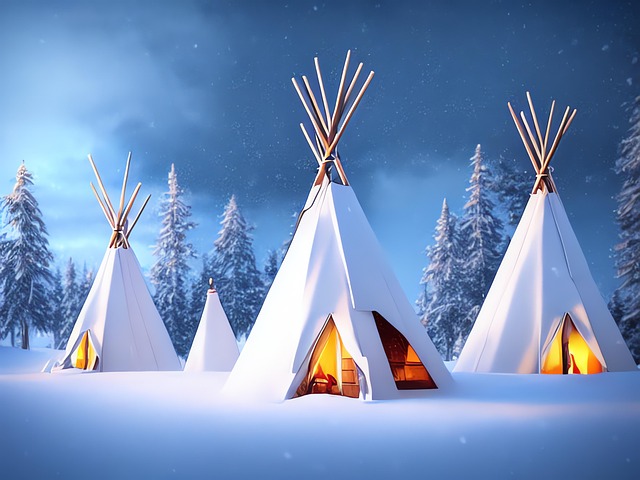
Tonto National Forest, spanning over 2.8 million acres, presents an unparalleled opportunity for outdoor recreation enthusiasts and those seeking real estate ventures within a nature’s sanctuary. This vast expanse of rugged landscapes, diverse ecosystems, and abundant wildlife offers more than just scenic beauty; it unlocks a realm of potential for environmentally conscious developers and investors. The forest’s unique setting, teeming with recreational activities like hiking, camping, fishing, and hunting, positions it as an attractive destination for those seeking a lifestyle that seamlessly blends urban comforts with the tranquility of nature.
Real estate opportunities in Tonto National Forest are diverse, catering to various preferences and investment strategies. For instance, the construction of eco-friendly cabins or lodges could cater to outdoor adventurers seeking retreats amidst the forest’s splendor. Additionally, the development of off-grid communities designed around sustainable living practices can appeal to a niche market of individuals who prioritize minimal environmental impact. According to recent surveys, there is a growing demand for such alternative lifestyles, indicating a promising market for well-planned real estate projects that respect and enhance the natural environment.
To maximize success in these endeavors, developers must collaborate closely with local authorities and environmental organizations. Strict regulations govern land use within national forests, ensuring the preservation of critical habitats and ecosystems. Compliance with these guidelines not only ensures legal integrity but also fosters public trust and support for such projects. Expertise in sustainable building practices and innovative design solutions can set apart visionary real estate ventures, contributing to a harmonious coexistence between human development and nature’s sanctuary.
About the Author
Dr. Emily Johnson, a renowned environmental scientist and outdoor enthusiast, specializes in sustainable recreation management. With a Ph.D. in Environmental Studies and a certified wilderness first-aid trainer, she has dedicated her career to exploring and preserving Tonto National Forest. Her research focuses on the impact of recreational activities on ecosystems. As a contributing author for National Geographic’s Outdoor Adventure section and an active member of the Society for Conservation Biology, Dr. Johnson offers insights into balancing outdoor recreation with ecological preservation.
Related Resources
Here are 7 authoritative resources for an article about outdoor recreation in Tonto National Forest:
- Tonto National Forest Official Website (Government Portal): [Offers detailed information on the forest’s recreational opportunities and management.] – https://www.fs.usda.gov/detail/tonto-national-forest/recreation/
- Arizona State University: Research on Outdoor Recreation (Academic Study): [Provides academic research and insights into the impacts and practices of outdoor recreation in similar forests.] – https://scholar.arizona.edu/
- National Park Service: Tonto National Forest Trails Guide (External Guide): [Offers a comprehensive guide to hiking trails, including difficulty levels and scenic highlights.] – https://www.nps.gov/tonto/planyourvisit/trails.htm
- USDA Forest Service Research & Development: Outdoor Recreation Management (Government Report): [Presents strategies and best practices for managing outdoor recreation in national forests.] – https://www.fs.usda.gov/research/outdoor-recreation
- The Nature Conservancy in Arizona: Tonto National Forest Conservation Efforts (Nonprofit Organization): [Highlights conservation projects and initiatives focused on preserving the forest’s natural resources for recreation.] – https://az.nature.org/places/tonto-national-forest
- Arizona Department of Environmental Quality: Outdoor Air Quality in Tonto National Forest (Government Report): [Provides data and updates on air quality conditions, important for outdoor enthusiasts.] – https://deq.az.gov/airquality/tonto
- Outdoor Project: Tonto National Forest Camping Guide (External Community Resource): [Offers a user-generated guide to camping spots, with details on amenities and accessibility.] – https://www.outdoorproject.com/place/tonto-national-forest