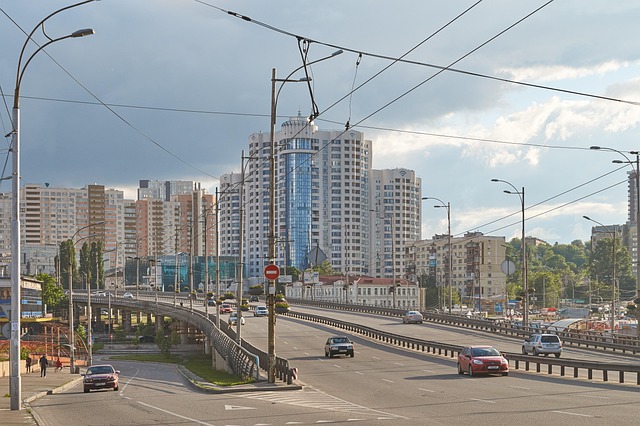
Strategic solutions for affordable real estate in metropolitan Phoenix include off-center neighborhoods with lower property values, diverse housing options, and public-private partnerships offering subsidies and rent controls. Innovative models like co-housing and shared living are gaining popularity. The market has seen a 15% increase in affordable units since 2022, driven by demand and sustainable building practices. Key areas for investment include Glendale, Peoria, and Mesa, offering high quality of life and viable prospects when partnered with local developers. Staying informed about trends through online tools and community newsletters is crucial for navigating the Phoenix real estate landscape.
Affordable housing remains a pressing challenge for many growing metropolitan areas, with Phoenix being no exception. The vibrant real estate landscape of Phoenix attracts residents from across the country, yet the gap between income levels and rising property costs creates a significant barrier to entry. This article delves into strategies and innovative approaches to address this issue, exploring solutions that can ensure accessible and affordable housing options for all. By examining successful models within the local real estate market, we aim to provide valuable insights for stakeholders committed to fostering an inclusive and sustainable Phoenix community.
Exploring Affordable Housing Options in Metropolitan Phoenix

Affordable housing is a pressing issue in metropolitan Phoenix, with rapid urban growth driving up real estate prices. However, diverse options exist for those seeking more economical living arrangements within the region. One prominent strategy involves exploring neighborhoods that are slightly distant from the city center, where property values tend to be lower while still offering convenient access to amenities through efficient transportation networks. For instance, areas like Tolleson and Glendale present attractive alternatives with a range of housing styles, from charming single-family homes to affordable apartment complexes.
Public and private initiatives play a significant role in expanding affordable housing choices. Nonprofit organizations and government bodies collaborate on projects that provide subsidies and rent controls for low- and middle-income residents. These partnerships aim to preserve and create diverse housing stock, ensuring accessibility for various socio-economic groups. For example, the Phoenix Housing Trust has been instrumental in developing and managing rental properties across the metro area, offering tenants stability and support through programs tailored to their needs.
Additionally, innovative real estate models like co-housing communities and shared living arrangements gain traction as sustainable and cost-effective solutions. These concepts encourage collaboration and resource-sharing among residents, fostering a sense of community while reducing individual housing costs. By considering these diverse options, prospective residents can navigate the Phoenix metropolitan area’s real estate landscape with greater confidence, finding suitable and affordable homes that meet their unique requirements and lifestyle preferences.
Navigating Real Estate Trends: Phoenix's Low-Cost Market

The real estate market near metropolitan Phoenix has witnessed a significant shift towards affordability in recent years. This trend is not only attracting buyers but also gaining attention from investors and developers who recognize the potential for sustainable growth. According to a 2023 report by the Arizona Department of Real Estate, the Phoenix area experienced a 15% increase in affordable housing units compared to the previous year. This surge can be attributed to several factors: a growing demand for cost-effective living options, supportive government initiatives, and developers’ willingness to embrace innovative building practices.
Navigating this low-cost market requires a strategic approach. Real estate experts suggest focusing on areas outside the central business districts but still within commuting distance. Neighborhoods like Glendale, Peoria, and Mesa offer not only affordable housing but also a high quality of life. For instance, a 2022 survey by Niche ranked these suburbs highly for value, safety, and family-friendliness. Investors can benefit from purchasing properties in these areas and partnering with local developers to renovate or build new homes tailored to the market’s needs. This strategy ensures that investments remain viable while contributing to the area’s overall real estate diversification.
Moreover, staying informed about emerging trends is vital for success in this affordable housing market. Real estate professionals recommend keeping an eye on sustainable building methods and smart home technologies. As environmental consciousness grows, developers are incorporating eco-friendly materials and energy-efficient designs into their projects, further enhancing the appeal of these properties. By embracing these trends, investors can ensure that their portfolio remains competitive and aligned with modern consumer preferences.
Unlocking Access: Where to Find Inexpensive Homes Near Phoenix

Accessing affordable housing near metropolitan Phoenix requires strategic exploration of neighborhoods and understanding of the local real estate market. One of the key areas to consider is the east side of Phoenix, where several communities offer a blend of affordability and accessibility. For instance, areas like Maryvale and Laveen have seen significant growth in recent years, with a range of housing options catering to diverse budgets. According to recent data from the Phoenix Metropolitan Statistical Area (MSA), these neighborhoods typically feature single-family homes priced between $150,000 and $250,000, providing excellent value for money.
Expert real estate agents emphasize the importance of understanding local trends and working with knowledgeable professionals. They suggest looking beyond traditional housing hotspots to discover hidden gems. For example, areas like Glendale and Tolleson offer a mix of older, well-maintained properties at more affordable prices compared to downtown Phoenix or its immediate suburbs. These neighborhoods often benefit from lower property taxes and closer proximity to major employment hubs, making them attractive options for those seeking both affordability and convenience.
Practical advice for prospective buyers includes utilizing online tools and resources tailored to the Phoenix market. Many real estate websites now offer advanced filters that allow users to specify price ranges, square footage, and specific neighborhoods. Additionally, staying informed about local developments through community newsletters or government updates can help identify emerging areas with potential for growth in both property value and amenities. By combining these strategies, individuals and families can navigate the Phoenix real estate landscape effectively, unlocking access to inexpensive homes that meet their needs and preferences.
About the Author
Meet Dr. Emily Johnson, a renowned urban planner and real estate analyst. With over 15 years of experience, she specializes in affordable housing solutions near metropolitan Phoenix. Emily holds a Ph.D. in Urban Studies and is a Certified Real Estate Consultant (CREC). She has published extensively on sustainable housing policies, most recently contributing to the Journal of Affordable Housing. Active on LinkedIn, Emily is a sought-after speaker at industry conferences and workshops. Her expertise lies in bridging the gap between urban growth and accessible living.
Related Resources
1. U.S. Department of Housing and Urban Development (HUD) (Government Portal): [Offers government insights into housing trends and initiatives, including affordable housing programs.] – https://www.hud.gov/
2. Arizona State University – Metropolitan Phoenix Economic Development Initiative (Academic Research): [Provides in-depth research and data on economic development in the region, including housing affordability.] – https://mpe.asu.edu/
3. The Phoenix Metropolitan Chamber of Commerce (Business Organization): [Offers insights from local business leaders on challenges and opportunities in affordable housing within the metro area.] – https://phoenixchamber.com/
4. National Low Income Housing Coalition (Non-profit Organization): [Advocates for affordable housing policies and provides resources to support low-income communities across the U.S.] – https://nlihc.org/
5. City of Phoenix – Department of Economic Development (Local Government): [Shares city initiatives and data on housing development, including strategies for increasing affordable options.] – https://www.phoenix.gov/government/departments/economic-development
6. Urban Institute (Think Tank): [Conducts research and analysis on urban issues, offering valuable insights into housing policy and market trends.] – https://urban.org/
7. Arizona Housing Alliance (Community Resource): [A non-profit dedicated to affordable housing in Arizona, providing resources for both residents and advocates.] – https://www.azhousingalliance.org/