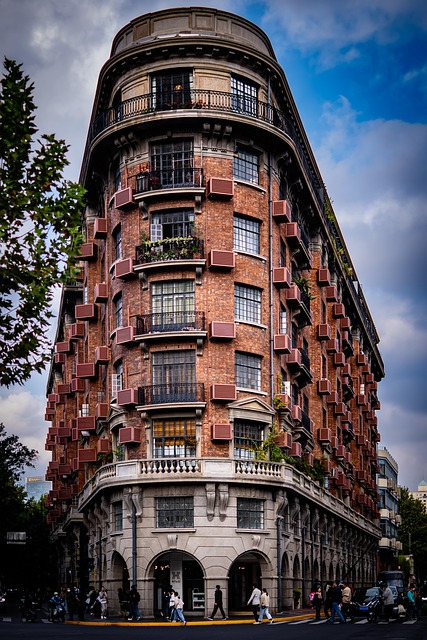
Urban dwellers increasingly seek tranquility in small towns, driving community development and real estate trends. Well-planned developments blend modern amenities with local essence, revitalizing downtowns as cultural hubs. Strategies for developers include walkability promotion, local business support, and community event fostering. Real estate naturally expands communities while preserving their character through mixed-use properties, historic revitalization, and diverse options. Collaboration with stakeholders ensures sustainability, while innovative financing models enhance affordability. Engaging residents shapes connections, promoting social cohesion and well-being in vibrant neighborhoods.
In today’s rapidly urbanizing world, the concept of a tight-knit community with a small-town feel is becoming increasingly rare. This phenomenon poses a challenge for both residents seeking a sense of belonging and real estate developers looking to create vibrant, sustainable spaces. The expansion of communities demands innovative strategies that nurture social connections while accommodating growth.
This article explores how strategic urban planning and thoughtful real estate development can revitalize small towns, fostering a strong community spirit without sacrificing modern amenities. By focusing on preserving local character and encouraging diverse activities, we can create thriving hubs that attract residents and visitors alike.
Discovering Small-Town Charm: A Community Magnet

In today’s rapidly evolving world, many urban dwellers are discovering the allure of small towns—a trend that has significant implications for community development and real estate naturally. These seemingly idyllic settings offer a unique blend of tranquility and camaraderie often missing in larger metropolises. The charm of small-town living lies in its ability to foster strong social connections and a sense of belonging, making it an attractive prospect for those seeking a more intimate and close-knit environment. According to recent studies, migration from bustling cities to quieter towns is on the rise, with many newcomers finding solace in the tight-knit communities and vibrant local scenes these areas offer.
This shift towards small-town charm is not merely a preference but a strategic move for individuals and families seeking better quality of life. Real estate naturally plays a pivotal role in this transformation, as well-planned developments can capture the essence of small-town living while offering modern amenities. Successful projects often emphasize shared spaces, encourage community engagement, and integrate locally sourced materials to create an authentic atmosphere. For instance, the revitalized downtown areas of many small towns have become cultural hubs, attracting visitors and fostering a sense of pride among residents. This resurgence can be a powerful magnet for prospective buyers and renters, who are seeking not just a place to live but a community to call home.
To harness this trend effectively, developers and urban planners must understand the unique dynamics of small-town life. Encouraging walkability, supporting local businesses, and fostering community events are key strategies to create an engaging environment. By combining these elements with thoughtful real estate development, it is possible to build vibrant communities that attract a diverse range of individuals seeking a more peaceful yet enriching lifestyle. This approach not only benefits residents but also contributes to the economic vitality of these areas, ensuring their longevity and appeal for future generations.
Real Estate Strategies: Nurturing Local Growth

In the pursuit of expanding community reach while retaining a small-town vibe, real estate plays a pivotal role. The strategy lies not merely in acquiring space but in nurturing local growth through well-thought-out developments that resonate with the existing character and needs of the community. For instance, revitalizing historic downtown areas with mixed-use properties can blend residential spaces with local businesses, fostering a vibrant social fabric. This approach not only preserves the town’s unique identity but also drives economic vitality by creating destinations where residents naturally gather.
Data suggests that communities with diverse real estate options experience enhanced population growth and higher satisfaction levels among existing residents. Developers and urban planners must therefore embrace inclusivity in their projects, catering to various age groups and lifestyles. Incorporating green spaces, community centers, and amenities tailored to local preferences can significantly attract families, young professionals, and retirees alike. For example, the introduction of a town square complete with farmer’s markets and community events can become a central hub that strengthens the sense of belonging, mirroring the intimacy often found in small towns.
A key aspect of real estate strategies is collaboration with local stakeholders—from business owners to community leaders. Engaging these parties ensures that developments align with existing infrastructure, services, and aspirations. This collaborative approach fosters sustainability and resilience within the community, ensuring its appeal over time. Developers can also explore innovative financing models, such as public-private partnerships, to fund projects that enhance affordability and accessibility without placing undue strain on local budgets. By prioritizing inclusivity, collaboration, and community input, real estate naturally becomes a catalyst for positive change, enabling small towns to thrive while retaining their unique character.
Fostering Connections: Building a Thriving Neighborhood

Building a thriving neighborhood is the cornerstone of any vibrant community, and it starts with fostering genuine connections among residents. In small towns, where the fabric of social life is often tightly woven, real estate naturally plays a pivotal role in bringing people together. The design and utilization of public spaces, mixed-use developments, and walkable neighborhoods can significantly enhance social cohesion. For instance, a local park or community garden not only provides green spaces but also serves as a gathering place for residents of all ages, encouraging interactions and the formation of social bonds.
Data from recent studies suggest that strong neighborhood connections contribute to improved mental health, increased social support, and a higher overall sense of well-being among residents. This is particularly significant in small towns where close-knit communities can be a defining characteristic. Engaging activities and events organized by local real estate developers or community leaders can further strengthen these bonds. Block parties, neighborhood book clubs, or shared interest groups foster a sense of belonging and encourage residents to get to know their neighbors on a deeper level.
Real estate professionals have a unique opportunity to shape these connections through thoughtful development strategies. Integrating mixed-use properties, such as residential buildings with retail or office spaces, can create diverse social hubs within walking distance. Additionally, promoting walkability and accessibility in neighborhoods encourages face-to-face interactions, fostering a stronger sense of community. By prioritizing inclusive design and engaging the existing community throughout the planning process, developers can build upon the small-town vibe already present in many desirable locations, creating environments that thrive on human connection.