The southwestern U.S. boasts a unique blend of indigenous traditions, Spanish colonial influence, and Mexican heritage, reflected in its diverse landscapes, architecture, art, music, and cuisine. Real estate in this region showcases traditional and contemporary designs, with local agents guiding buyers towards culturally rich communities. Preserving historical landmarks, including Native American ruins and colonial missions, involves collaboration between governments, historians, and communities. Modern development integrates historic architecture while promoting cultural sensitivity and sustainable practices. Real estate professionals play a crucial role in preserving the Southwest's rich history for future generations.
The vibrant southwestern culture and history represent a captivating blend of indigenous traditions, Spanish colonial heritage, and Mexican influences, all woven into the fabric of America’s dynamic landscape. This region, with its unique architectural styles, rich culinary scenes, and diverse artistic expressions, holds immense cultural value. However, as development pressures mount, preserving this treasured tapestry in real estate becomes increasingly challenging. This article delves into the intricate relationship between southwestern heritage and property, offering insights on how to safeguard these cultural treasures while fostering sustainable growth. By exploring both the opportunities and potential pitfalls, we aim to equip readers with a comprehensive understanding of this delicate balance.
Unveiling Southwestern Culture's Rich Heritage

The vibrant southwestern culture is a rich tapestry woven with threads of diverse indigenous traditions, Spanish colonial influence, and Mexican heritage. This unique blend has created a dynamic region where history and modernity coexist harmoniously. In states like Arizona, New Mexico, and Texas, the cultural landscape is as varied as the terrain, from the bustling cities to the serene rural areas. Real estate in these regions often reflects this diversity, with properties showcasing traditional architecture, such as adobe homes, alongside contemporary designs.
Unveiling southwestern culture’s rich heritage requires an exploration of its past. The region has been home to numerous Native American tribes, each contributing their own distinct customs and crafts. For instance, the Hopi people are renowned for their intricate pottery and ceremonial masks, while the Navajo weave exquisite rugs with symbolic patterns. These cultural artifacts not only decorate homes but also serve as a connection to the land and ancestors. As you navigate through real estate listings, you’ll find that many properties include historical elements or are situated near cultural sites, offering buyers an opportunity to immerse themselves in this heritage.
Moreover, the Spanish colonial era left an indelible mark on southwestern culture. Missionaries and settlers introduced Catholicism, which blended with existing beliefs, resulting in unique religious practices. The region is dotted with historic missions and churches that stand as a testament to this period. Art, music, and cuisine also bear the influence of Spain, evident in the lively festivals and traditional dishes like enchiladas and chiles rellenos. Understanding these cultural nuances can greatly enhance one’s experience of purchasing real estate, allowing buyers to become an integral part of this vibrant community.
When considering a move to the southwest, it’s essential to embrace the region’s cultural offerings. Local real estate agents can provide insights into communities with strong cultural identities, ensuring that future homeowners not only invest in property but also in the rich heritage that makes southwestern culture so captivating. By immersing oneself in this tapestry, residents can truly appreciate the beauty and depth of this vibrant region.
Historical Landmarks: A Real Estate of Memories
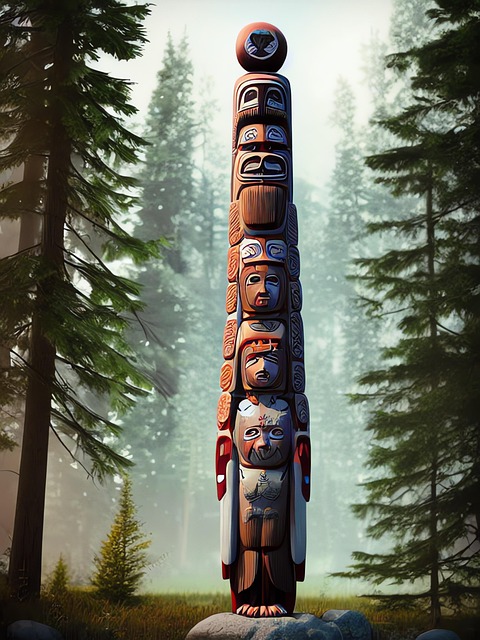
The vibrant southwestern culture is deeply intertwined with its historical landmarks, each telling a unique story of the region’s rich past. These sites act as a real estate of memories, preserving and showcasing the diverse influences that have shaped the Southwest over centuries. From ancient Native American ruins to colonial missions and historic cities, every landmark offers a glimpse into the region’s complex history. For instance, the ancient Puebloan settlements like Mesa Verde in Colorado provide insight into the sophisticated agricultural societies that thrived here before European encounter.
The real estate value of these historical landmarks extends beyond their cultural significance; they are economic drivers for many communities. According to recent studies, historic preservation contributes significantly to local economies through tourism, creating jobs and stimulating development. Cities like Santa Fe, New Mexico, have successfully leveraged their rich history, transforming it into a viable real estate asset. The charming adobe architecture and historic districts attract visitors and residents alike, fostering a thriving arts and cultural scene that relies heavily on the area’s unique heritage.
Preserving these landmarks is an ongoing effort that requires collaboration between governments, historians, and local communities. Many southwestern states have implemented strict historical preservation laws to safeguard these sites from neglect or destruction. Property owners play a crucial role in this process too, ensuring their historic homes and buildings are maintained while also allowing for responsible development. By recognizing the value of their region’s history in real estate terms, residents can contribute to the long-term conservation of these cultural treasures.
Modern Southwest: Preserving Tradition in Development

The modern Southwest stands as a captivating fusion of rich cultural heritage and dynamic urban development. This region, characterized by its unique blend of Native American, Hispanic, and Anglo influences, has seen remarkable transformation while cleverly preserving its time-honored traditions. In the realm of real estate, this balance is evident in the careful integration of historic architecture with modern design, showcasing the area’s deep cultural roots alongside contemporary amenities. For instance, downtown Santa Fe’s charming adobe structures coexist harmoniously with upscale lofts and boutique hotels, each telling a story of the region’s diverse past while attracting visitors and residents alike.
This preservation of tradition extends beyond buildings, permeating the local community and economy. Artisans continue to practice age-old crafts, such as pottery and weaving, passing down skills that have been integral to Southwestern culture for centuries. Local festivals and markets celebrate these traditions, drawing both locals and tourists who appreciate the authenticity they offer. Moreover, many developers actively involve indigenous communities in planning processes, ensuring cultural sensitivity and respect in the creation of modern infrastructure. This collaborative approach fosters a sense of ownership and pride among residents while preserving the region’s distinct identity.
To ensure this harmonious coexistence continues, real estate professionals play a pivotal role. They must prioritize sustainable development practices that honor the environment and culture, avoiding trends that could dilute the Southwest’s unique character. Engaging with local historians, architects, and community leaders can help guide projects to preserve historical sites and integrate them into urban landscapes. Additionally, promoting mixed-use developments that blend residential, commercial, and cultural spaces encourages a vibrant, walkable environment that caters to all aspects of Southwestern life. By embracing these strategies, the modern Southwest can continue to flourish, ensuring its rich history remains an integral part of its future.