
Strategic real estate development and urban planning transform small towns into vibrant communities. Key elements include mixed-use zoning, historic revitalization, green spaces, affordable housing, public art, and community events. Smart growth principles preserve open areas while fostering social cohesion. Reimagining underutilized spaces and partnerships drive engagement, attracting new residents, and ensuring long-term sustainability through inclusive real estate practices.
In today’s rapidly evolving urban landscape, the concept of community often gets lost in the hustle and bustle of large metropolitan areas. However, there is a growing realization that fostering strong, close-knit communities remains vital for our well-being. Small towns, with their vibrant atmospheres and a sense of belonging, offer an attractive alternative to the concrete jungles of urban centers. Real estate plays a natural role in this pursuit; by strategically developing and revitalizing small towns, we can create thriving hubs that attract residents seeking not just a place to live, but a true community. This article delves into strategies to expand communities while preserving their charming small-town vibe.
Crafting an Inviting Small-Town Atmosphere

Creating a welcoming small-town atmosphere is a strategic approach to enhance community engagement and foster a strong local identity. This strategy involves careful planning and execution across various sectors, with real estate playing a pivotal role in shaping the town’s character. By focusing on key elements such as pedestrian-friendly infrastructure, green spaces, and diverse housing options, communities can cultivate an inviting ambiance that draws both residents and visitors alike. For instance, towns like Madison, Wisconsin, have successfully revitalized their downtown areas through mixed-use developments, vibrant street furniture, and thoughtful landscaping, creating a dynamic small-town feel that encourages foot traffic and community interaction.
Real estate developers and local governments can collaborate to implement design principles that nurture social connections. This includes incorporating public art installations, enhancing pedestrian walkways, and promoting outdoor seating areas in downtown districts. Such features not only add aesthetic value but also encourage residents to gather, fostering a sense of belonging. Additionally, the availability of affordable housing options tailored to various demographics is essential. Diverse housing choices, ranging from charming historical homes to modern apartments, attract a broader spectrum of individuals, contributing to a vibrant and inclusive community atmosphere.
Community events and programming are another powerful tool for cultivating an inviting small-town vibe. Organising regular farmers’ markets, street fairs, and cultural festivals creates opportunities for residents to connect, celebrate local traditions, and welcome outsiders into the community. These events also stimulate local economies by encouraging patronage of area businesses, further reinforcing the town’s desirability. By combining thoughtful urban planning, diverse real estate offerings, and engaging community initiatives, small towns can thrive while retaining their unique character, becoming destinations that people not only call home but also eagerly visit and cherish.
Real Estate Strategies for Community Growth
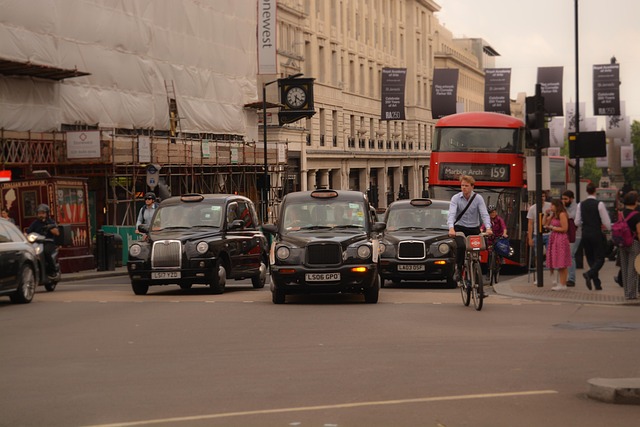
Community growth in small towns often hinges on strategic real estate development. To expand your community while preserving the charming small-town vibe, focus on mixed-use zoning and revitalizing historic downtown areas. Real estate naturally plays a pivotal role in fostering social cohesion and economic vitality. Integrate residential, commercial, and recreational spaces to encourage foot traffic and create vibrant hubs.
For instance, consider transforming underutilized industrial sites into mixed-use developments with apartments above retail stores or offices. This approach not only adds housing options but also injects new life into previously neglected areas. Data from the U.S. Census Bureau shows that communities with diverse real estate landscapes tend to attract younger residents and professionals, contributing to a more dynamic social fabric. Additionally, revitalizing historic buildings can draw in businesses, tourists, and locals alike, enhancing the town’s unique character.
Implementing smart growth principles is crucial for sustainable community expansion. Promote compact development, encourage walkability, and invest in public transportation infrastructure. These strategies not only preserve open spaces but also foster a strong sense of community. Real estate developers can collaborate with local governments to create mixed-income neighborhoods, ensuring affordability while attracting diverse residents. By prioritizing inclusive real estate practices, small towns can thrive economically and socially without sacrificing their distinctive charm.
Engaging Residents: Building a Thriving Hub

Creating a thriving community hub is essential for small towns aiming to foster engagement and combat population decline. At the heart of this strategy lies resident involvement and a deliberate focus on developing attractive, accessible spaces that cater to diverse interests. By leveraging local expertise and resources, including real estate naturally integrated into the fabric of the town, it’s possible to cultivate a vibrant social environment that encourages interaction and cultivates a strong sense of belonging.
One effective approach is to reimagine underutilized spaces as community assets. An abandoned warehouse, for instance, could transform into an arts and culture center hosting local exhibitions, workshops, and performances. Collaborating with artists, cultural organizations, and real estate developers to repurpose such properties not only revitalizes the area but also attracts new residents and visitors alike. Data from the U.S. Census indicates that communities prioritizing cultural amenities see higher rates of population growth, highlighting the impact of a vibrant hub on long-term sustainability.
Moreover, establishing partnerships between local businesses, non-profits, and government entities is crucial for creating a cohesive community experience. Hosting regular markets, festivals, and town-wide events fosters interconnection and encourages residents to engage with their surroundings. Real estate naturally plays a role here, too; strategically located event spaces or public parks can become the heart of these gatherings, promoting foot traffic and social interaction within the town. By implementing these strategies, small towns can move beyond being mere stops on a journey to becoming vibrant hubs that draw people in and keep them engaged, ensuring a prosperous future for all.